 Image 1 of 1
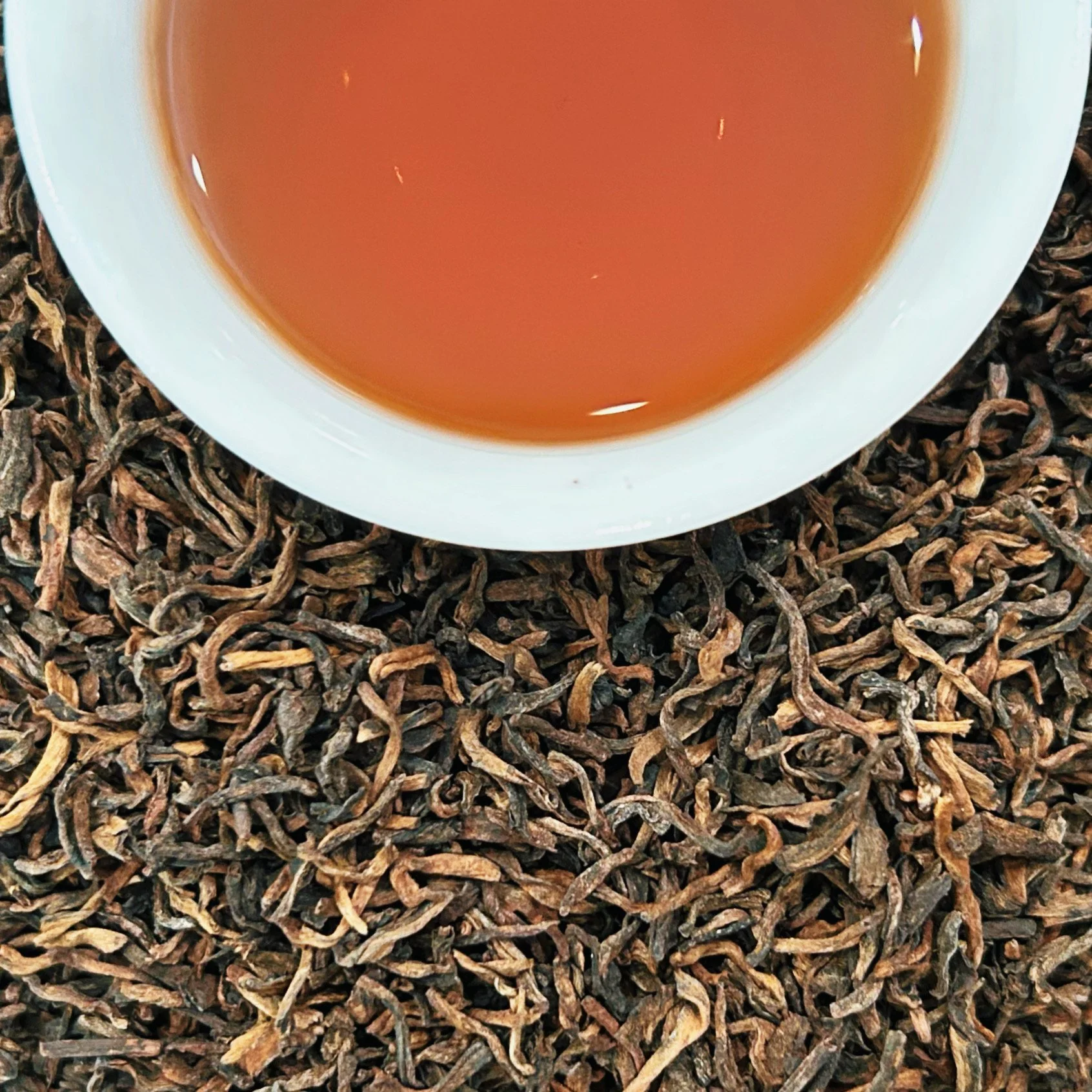
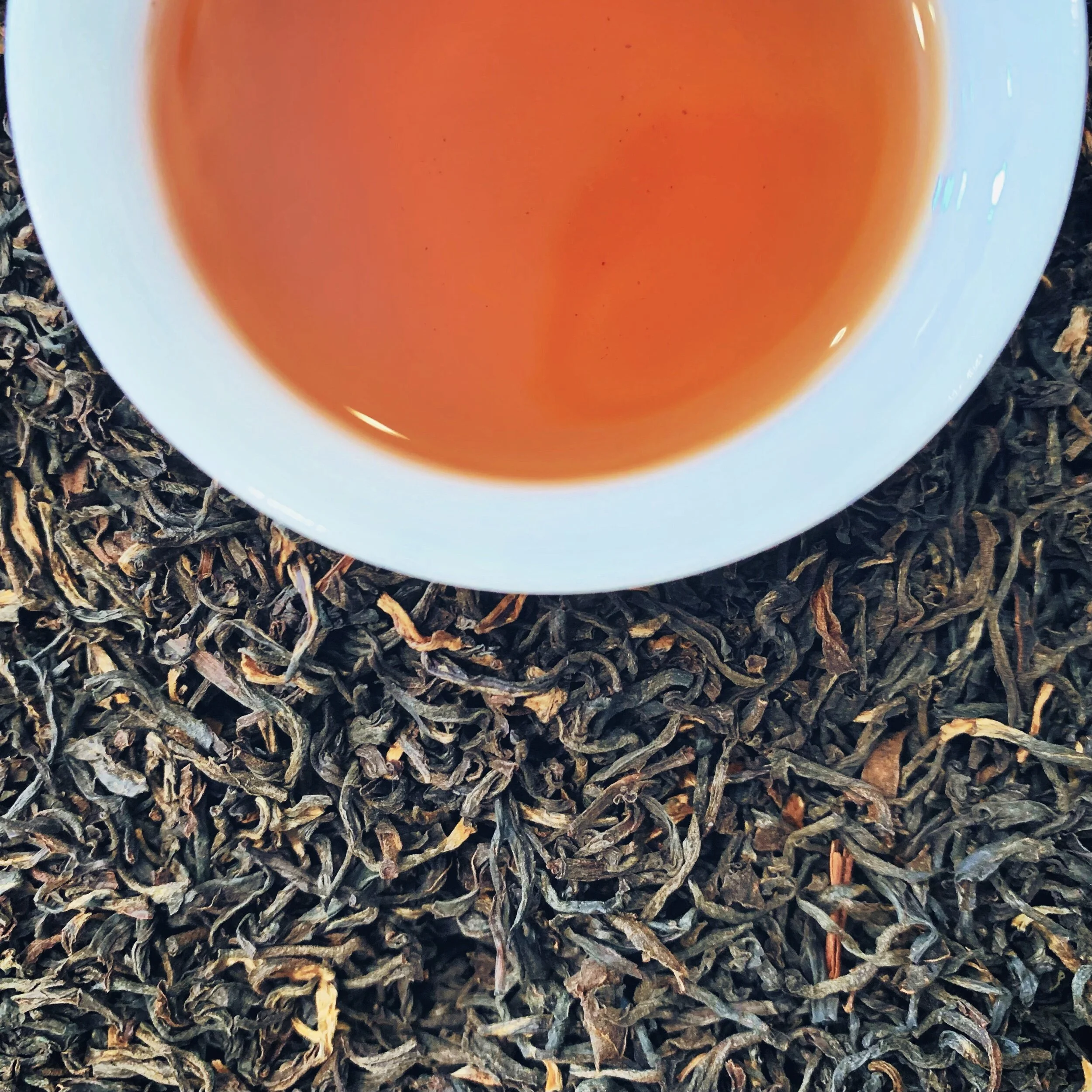
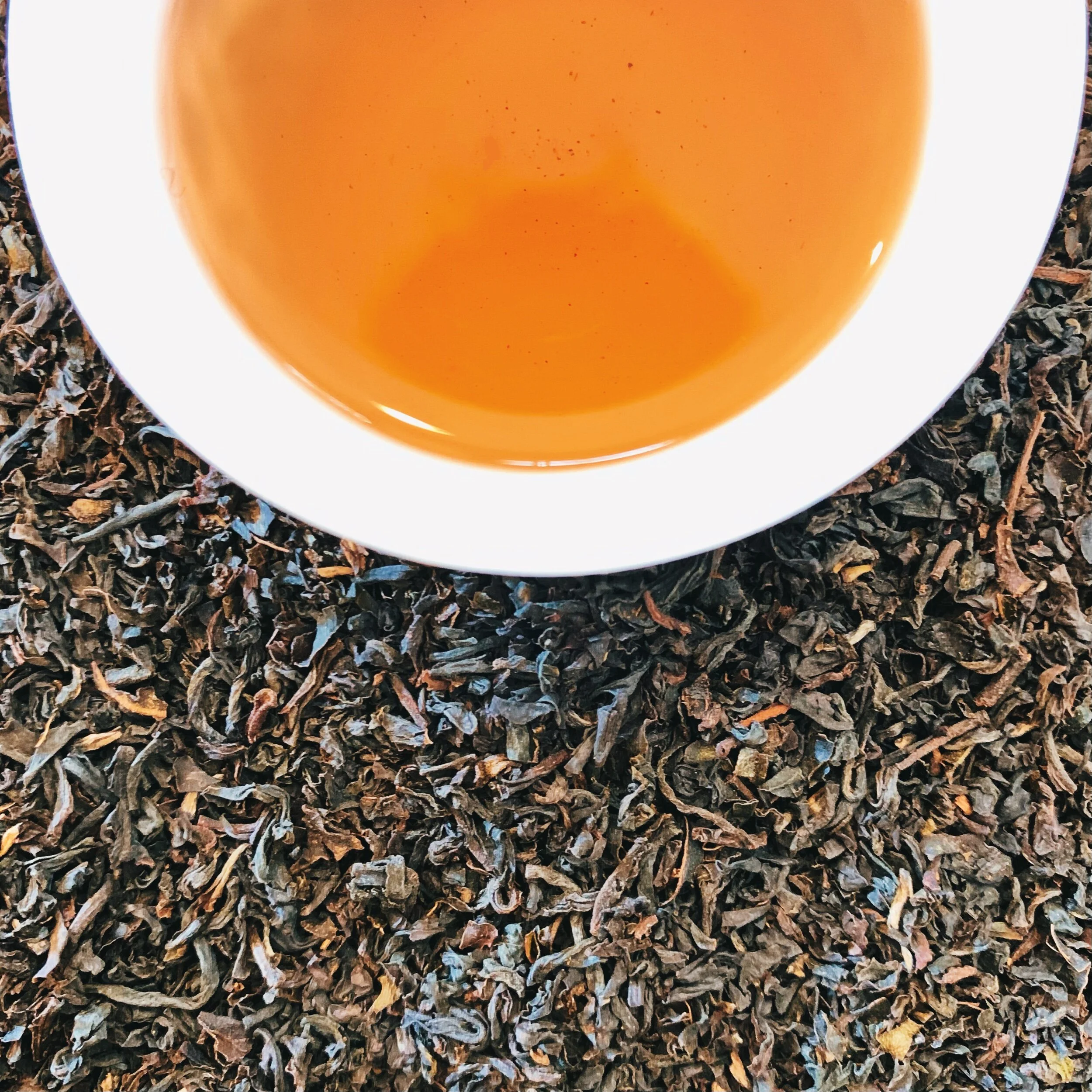
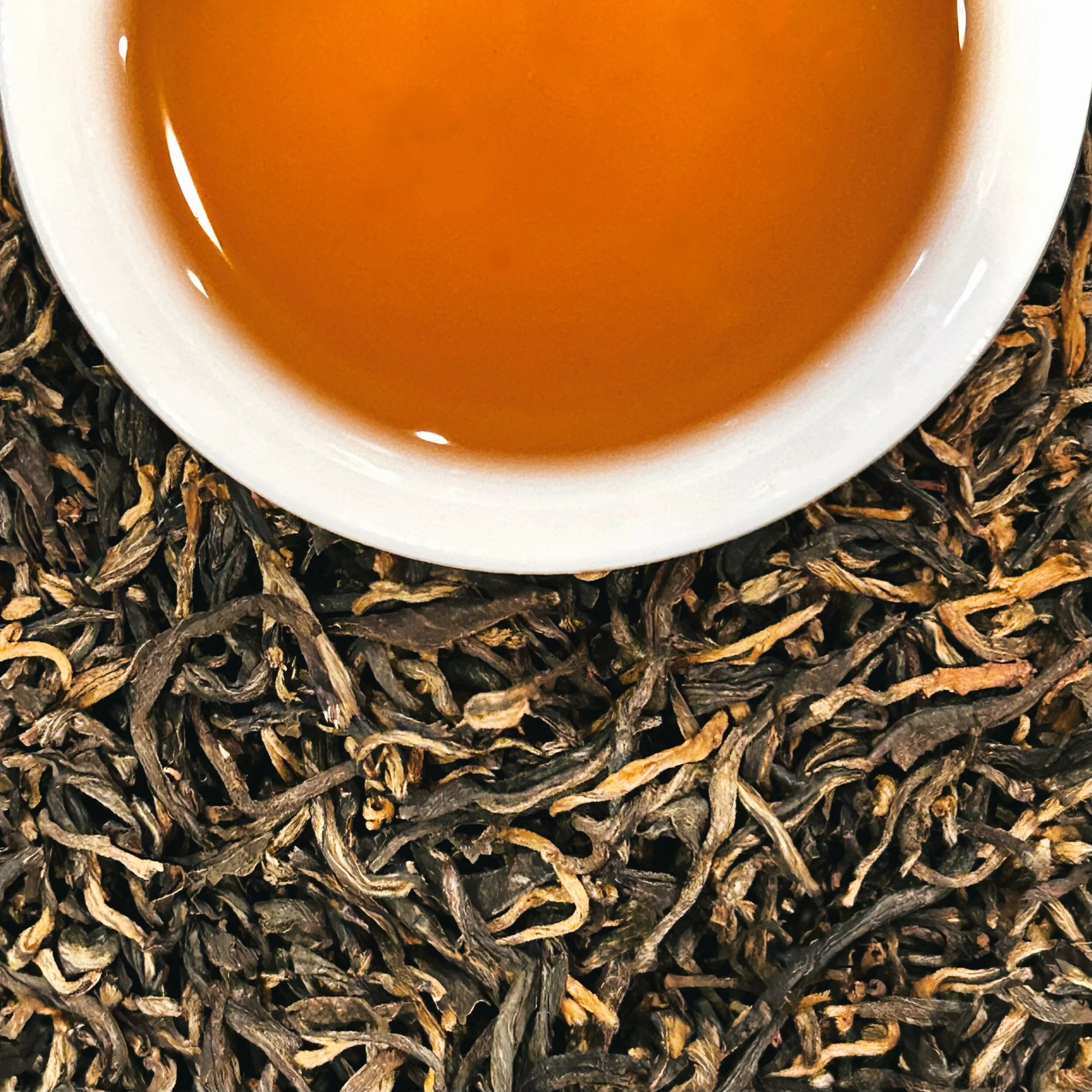
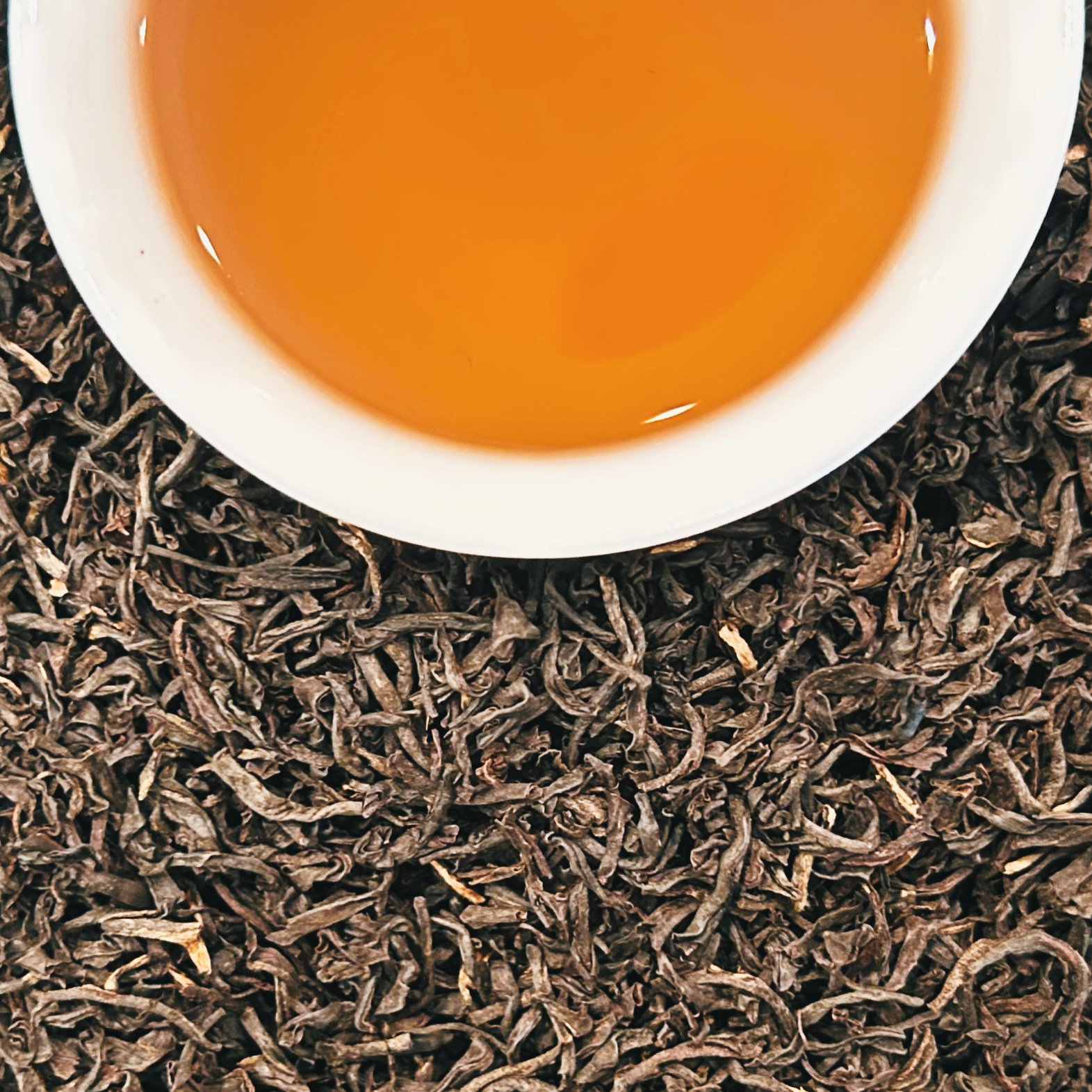
Grown at elevations above 6,000 feet in Kenya’s lush highlands, Kenya Milima is a rare orthodox-style black tea produced exclusively at the historic Saosa Factory—East Africa’s only facility of its kind, established in 1929. The name Milima, meaning "mountain" in Swahili, honors the lofty terrain that shapes this elegant tea’s character. Crafted from a unique, research-developed clone, Milima is plucked only during the cooler months of June and July, when slow bush growth intensifies the tea’s delicate floral notes. The leaves are hand-rolled in three stages to preserve their aromatic qualities, resulting in twisted, tippy leaves with a golden gleam akin to fine 2nd flush Assams.
The finished liquor is bright and coppery, revealing a floral bouquet layered with smooth, malty depth and a rich, Bordeaux-like undertone. This complexity makes Milima an exceptional after-dinner tea—refined, grounding, and deeply satisfying. As one of Kenya’s finest expressions of terroir and craftsmanship, Milima also tells the story of tea’s transplantation from India to Kenya in the early 20th century, where it found a new home and flourished. Today, this tea not only delights the palate but sustains thousands of workers across Kenya’s tea-growing regions, connecting every sip to a vibrant legacy of resilience and tradition.